
Serving All of Arizona for 10+ Years (480) 440-9842  —  Call or Text Anytime

Arizona Senior Transition Resource Center

Practical, honest guidance for seniors and their families navigating one of life’s biggest transitions — written from real Arizona experience.

How Arizona Estate Sales Work — And How to Get the Most From Yours

Organized estate sale with priced household goods, furniture, and collectibles

When a loved one is preparing to downsize or move to a care facility, the question of what to do with decades of accumulated belongings is often the first — and most paralyzing — obstacle families face. An estate sale, done correctly, converts that overwhelm into meaningful proceeds while clearing the home efficiently.

In Arizona, the estate sale market is active and well-developed, particularly in communities like Sun City, Scottsdale, and Mesa where long-time residents are making transitions every day. Here is what every Arizona family should know before planning one.

What Is an Estate Sale?

An estate sale is an organized, multi-day sale of a home's contents — furniture, artwork, collectibles, tools, kitchenware, clothing, and more. Unlike a garage sale, a professionally managed estate sale involves proper pricing based on market research, marketing to serious buyers, and full management of the event so the family does not have to be present.

Estate sales typically run two to three days and are advertised online through platforms like EstateSales.net and social media, drawing both individual buyers and dealers.

The #1 Mistake Arizona Families Make

The most common mistake is waiting too long. Many families try to sort through belongings themselves before calling a professional — donating some things, throwing others away, and storing the rest. This almost always results in valuable items being given away or discarded before a professional appraiser ever sees them.

“We see it regularly — a family donates a box of items to a thrift store that contained vintage jewelry or a first-edition book worth hundreds of dollars. An estate sale professional knows what to look for.”

Call a professional before you start clearing anything out.

What Sells Well in Arizona Estate Sales?

  • Furniture & Mid-Century pieces — High demand in the Phoenix metro market
  • Tools and workshop equipment — Especially in Sun City and Chandler
  • Southwest art and collectibles — Strong local buyer base
  • Jewelry and watches — Often the highest-value single items in any sale
  • Kitchen appliances and cookware — Consistent sellers at any sale
  • Holiday decorations — Surprisingly popular and easy to move in volume

How the Process Works When We Manage It

  1. Initial walkthrough — We assess the contents and flag high-value items for research
  2. Sorting and staging — Every item is organized, cleaned, and displayed attractively
  3. Pricing — Based on current resale markets, not guesswork
  4. Marketing — Listings go live across all major estate sale platforms 7–10 days before the event
  5. The sale — Typically 2–3 days; we manage all cash handling and buyer interactions
  6. Clearout — Remaining items are donated, consigned, or disposed of based on your preferences

What Happens to What Doesn’t Sell?

Not everything sells, and that is normal. Remaining items are typically handled through a combination of donation to local charities (we work with several Arizona nonprofits), consignment for higher-value pieces, and responsible disposal for items with no resale or donation value. The home is left empty and clean, ready for listing.

The Connection Between Estate Sales and Home Value

This is the insight most families miss: a home that goes to market cleared and clean consistently sells faster and for more money than one listed full of belongings. Buyers need to visualize themselves in the space. An estate sale does not just recover proceeds from belongings — it directly supports the final home sale price.

Ready to discuss your estate sale?

We handle everything — pricing, staging, marketing, and clearout.
Get Your Plan

Senior Moving in Arizona: What to Look For, What to Avoid, and How to Make It Easier

Professional movers carefully handling furniture during a senior relocation

Moving a senior — whether to an assisted living community, a family member's home, or a smaller independent residence — is categorically different from a standard move. The physical demands are the same, but the emotional weight, the need for patience, and the attention required for irreplaceable items demand a different kind of crew.

Arizona’s senior population is one of the largest in the country. The Phoenix metro alone sees thousands of senior relocations every year. Here is how to navigate this process without adding stress to an already emotional transition.

Senior Moving vs. Standard Moving: Key Differences

  • Pace — Senior moves require more time. Items have history and meaning, and decisions take longer. Good senior movers understand this.
  • Fragile items — A lifetime of collected artwork, china, crystal, and heirlooms demands specialized packing and handling
  • Destination coordination — Moving to a care facility involves scheduling windows, elevator access, and staff coordination that a standard mover may not be prepared for
  • Emotional support — The best senior moving crews treat the experience with dignity, not urgency

Arizona Heat: A Logistics Factor Most Families Overlook

If you are planning a move between May and October, heat is a genuine operational concern. Moving heavy items in 110° weather is dangerous for elderly residents and hard on moving crews. Scheduling the physical move for early morning and choosing climate-controlled trucks for any extended transit is not optional in Arizona — it is essential.

“We always coordinate summer moves to start at 6am. By 11am we are done with the heavy work, and the client is settled and comfortable before the peak heat of the day.”

What to Ask Any Moving Company Before You Hire Them

  1. Do you have experience with senior relocations specifically?
  2. Are you licensed with the Arizona Department of Transportation?
  3. What is your insurance coverage for damaged or lost items?
  4. Do you provide wardrobe boxes and specialty packing for fragile items?
  5. Can you coordinate directly with the receiving facility?
  6. Do you offer unpacking and furniture placement at the destination?

The Coordinated Approach: Why Sequence Matters

One of the most common errors families make is scheduling the move before the estate sale. The result: movers pack and transport items that were supposed to be sold, or the estate sale is rushed because the home needs to be empty by a deadline. When a single team manages both, the sequence is planned from the start — what stays for the sale, what goes with the resident, and what gets donated is decided before anyone lifts a box.

What a Smooth Senior Move Looks Like

The gold standard for a senior relocation is simple: the resident arrives at their new home to find their meaningful belongings already in place, their bed made, and their favorite items where they expect them. That level of care requires planning, communication, and a team that treats the process as more than just a job.

Need a senior moving team you can trust?

We coordinate the full move so nothing falls through the cracks.
Get Your Plan

Move-Out Deep Cleaning in Arizona: Why It Matters More Than You Think

A clean, move-out ready Arizona home prepared for listing

Once the estate sale is done and the moving truck has left, there is one critical step between an empty house and a home that buyers will compete over: a thorough, professional deep clean. In Arizona’s competitive real estate market, the condition of a home at first showing sets the tone for every offer that follows.

What a Move-Out Deep Clean Covers

A move-out deep clean is not the same as a regular housekeeping visit. It is a top-to-bottom restoration of the home to a neutral, show-ready state:

  • All appliances cleaned inside and out — including oven interiors, refrigerator coils, and dishwasher filters
  • Cabinet interiors wiped down and deodorized
  • Baseboards, window sills, and door frames cleaned
  • Bathrooms scrubbed including grout lines, toilet bases, and exhaust fans
  • Ceiling fans and light fixtures dusted and polished
  • Garage floors swept and degreased
  • Windows cleaned inside (and outside where accessible)
  • Carpets steam-cleaned or professionally treated

Arizona-Specific Considerations

Arizona homes have some unique cleaning challenges that standard cleaning companies may not address:

  • Hard water deposits — Arizona water is notoriously hard, leaving mineral deposits on faucets, shower glass, and toilets that require specialized treatment
  • Desert dust — Fine dust infiltrates homes constantly through HVAC systems and gaps. A thorough duct wipe-down and deep vacuuming of all vents is essential
  • Sun damage to surfaces — UV exposure through large Arizona windows can discolor surfaces; cleaning and minor treatment can significantly improve appearance
  • Pool and patio areas — If the home has outdoor living space, a full exterior clean including pool deck, patio furniture, and BBQ area matters to buyers

The Direct Relationship Between Cleanliness and Sale Price

A 2023 study of Phoenix-area home sales found that homes listed in professionally cleaned, move-in-ready condition sold for an average of 3–6% more and in significantly less time than comparable homes in average condition. On a $450,000 home, that 3% difference is $13,500 — far more than the cost of a professional clean.

“The clean home gets the emotional offer. Buyers walk in and they can feel themselves living there. The one that smells like it needs attention gets the lowball.”

When to Schedule the Clean

The optimal sequence is: estate sale first, move-out second, deep clean third, listing fourth. Scheduling the clean before the home is fully empty wastes time and money. Scheduling it after listing means buyers see the home before it is ready. When one team manages the full transition, this sequencing happens automatically.

We handle the clean as part of the full transition.

No extra scheduling. No separate vendor to manage.
Get Your Plan

Selling a Senior’s Home in Arizona: Timing, Pricing, and the Transition Advantage

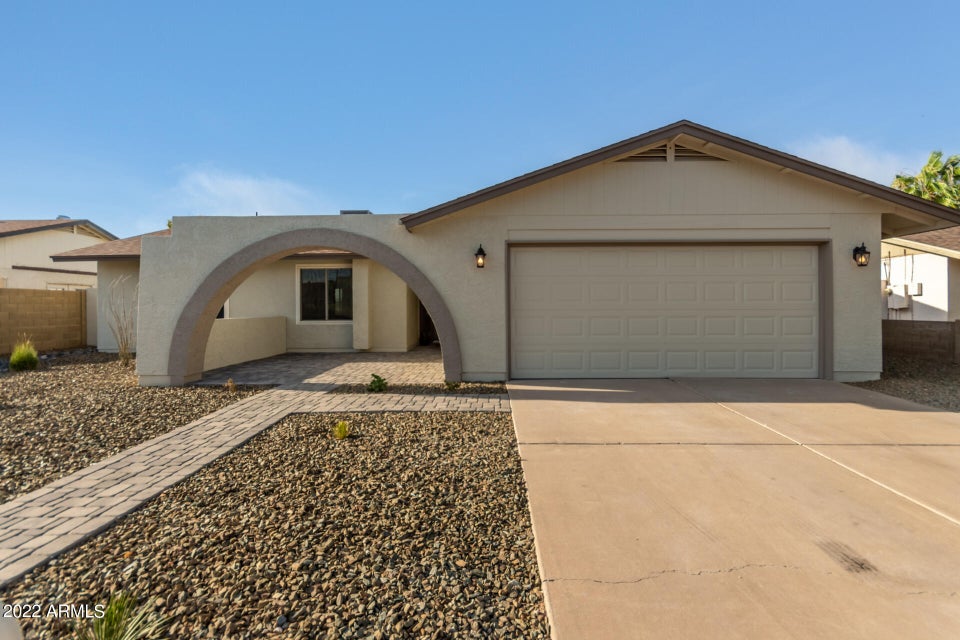
Arizona home with curb appeal and desert landscaping — ready for listing

Selling the family home is the final and often most financially significant step of a senior transition. For most families, it is also the most stressful — not just because of the dollars involved, but because of what the home represents. A smooth, well-timed sale makes a meaningful difference in the proceeds that support the next chapter of a senior’s life.

Arizona’s Senior Home Market: What You Need to Know

The Phoenix metro area remains one of the most active real estate markets in the country. Demand from retirees relocating to Arizona continues to grow, which means that well-prepared homes in established communities — Sun City, Scottsdale, Chandler, Gilbert, and Mesa — attract strong interest from motivated buyers.

The key phrase is well-prepared. A home that is cleared, clean, and priced correctly in the current Arizona market will draw multiple offers. One that is priced based on nostalgia or listed while still full of belongings will sit.

When Is the Right Time to Sell?

Arizona has two strong selling seasons: early spring (February–April) and early fall (September–October), when temperatures are manageable and buyer activity peaks. Summer listings are possible but typically draw fewer showings due to heat. If your timeline allows flexibility, targeting these windows can yield meaningfully better results.

That said, the most important timing factor is internal: the home should be ready — cleared, cleaned, and repaired — before it goes on the market. A premature listing that gets pulled and relisted carries a stigma in the MLS that hurts the final sale price.

Pricing: The Most Important Decision

Overpricing is the single most common mistake in senior home sales. The emotional attachment families have to the family home can create unrealistic pricing expectations. Buyers in the current Arizona market are well-informed — they see overpriced listings and move on. A home priced correctly from day one generates urgency and competition.

  • Pricing 5–10% over market results in an average of 45+ days on market and a final sale price below what a correct listing would have achieved
  • Homes priced at or slightly below market in the Phoenix metro routinely attract multiple offers within the first week
  • Price reductions are visible in the MLS history and tell a story buyers use to negotiate downward

The Transition Advantage

The unique advantage of a concierge-managed transition is that the home arrives on the market already in its best possible condition. The estate sale has cleared the clutter. The professional clean has addressed every corner. Minor repairs have been handled. The listing photographer shoots a home that shows beautifully.

Standard realtor listings often work in reverse — they list the home and then deal with the belongings. This leads to occupied or cluttered showings, slower sales, and lower offers. When the full transition is managed first, the home competes at a higher level from day one.

Understanding Net Proceeds

The number families care most about is what arrives in their account after closing. In Arizona, sellers typically pay:

  • Realtor commission (typically 5–6% total, split between buyer and seller agents)
  • Title and escrow fees (typically $1,500–$3,000)
  • Any agreed-upon buyer concessions or repair credits
  • Capital gains tax (if applicable — consult your tax advisor for primary residence exclusions)

A concierge-managed transition often recovers its cost through the combination of estate sale proceeds and the improved home sale price — meaning many families net more overall than they would have through a standard listing with the home still full of belongings.

Get the timing and pricing right from the start.

We manage the full transition so your home lists at its strongest.
Get Your Plan

Choosing the Right Senior Living Option in Arizona: A Family’s Guide to the Different Types

Arizona is home to some of the most well-regarded senior living communities in the country, from the legendary Sun City developments to boutique assisted living residences in Scottsdale and Paradise Valley. Understanding the different options — and what each is designed for — is essential before committing to a move.

Independent Living

Designed for active seniors who want a maintenance-free lifestyle with social amenities but no medical support. Communities like Sun City Grand in Surprise and Trilogy at Vistancia in Peoria offer resort-style living with golf, pools, and full activity calendars. These are typically the right choice for seniors who are physically independent but want community and convenience.

Assisted Living

For seniors who need help with daily activities — bathing, dressing, medication management — but do not require round-the-clock nursing care. Arizona has hundreds of licensed assisted living facilities ranging from large campus-style communities to small residential-style group homes (often called “board and care” homes). Costs in the Phoenix metro typically range from $2,800 to $6,500 per month depending on level of care and amenities.

Memory Care

Specialized assisted living for individuals with Alzheimer’s disease or other forms of dementia. These communities feature secured environments, specially trained staff, and programming designed to support cognitive engagement. Arizona has excellent memory care options; families should visit multiple facilities and ask specifically about staff-to-resident ratios and staff turnover rates.

Skilled Nursing / Rehabilitation Facilities

For seniors who need short-term rehabilitation after a hospital stay, or ongoing nursing care that cannot be provided in an assisted living setting. Medicare typically covers short-term skilled nursing stays; long-term stays are generally paid privately or through Medicaid (AHCCCS in Arizona).

Moving In With Family

A common and often excellent choice, particularly in the early stages of declining independence. The practical challenge is almost always the same: transitioning from a full home to a bedroom or in-law suite. An estate sale allows the family to bring only what matters most, rather than storing everything indefinitely.

Questions to Ask Before Choosing a Community

  • What is the staff-to-resident ratio during daytime and overnight hours?
  • What is the annual rate increase history over the past five years?
  • What is the process if the resident’s care needs increase significantly?
  • Are there different levels of care available on the same campus?
  • What happens if a resident runs out of funds?
  • Can we speak with current residents and their families?

Choosing a community is step one. We handle everything that comes next.

Estate sale, moving, cleaning, and home sale — coordinated around your move-in date.
Get Your Plan

The Adult Child’s Survival Guide to Managing a Parent’s Senior Transition in Arizona

If you are an adult child managing a parent’s transition — particularly from out of state — you are simultaneously navigating grief, logistics, family dynamics, legal complexity, and time pressure. This guide is written for you.

The Timeline Is Almost Always Shorter Than You Expect

Most families begin to feel urgency when a health event forces a decision. A fall, a hospitalization, a dementia diagnosis — these are the moments when “we should start thinking about this” becomes “we need to figure this out in two weeks.” Starting the conversation before a crisis is always better, but if you are already in the crisis, acting quickly and getting help immediately is the right move.

What to Do First

  1. Secure important documents — Locate the will, trust documents, power of attorney, financial account information, and insurance policies. Put them somewhere safe.
  2. Assess the care situation — Determine what level of care is needed and begin touring communities. Waiting lists at desirable facilities can run 30–90 days.
  3. Do not clear the house yet — Before donating or disposing of anything, consult an estate sale professional. What looks like clutter may have value.
  4. Call one point of contact — The fastest path through a transition is working with someone who manages the full process rather than coordinating five separate vendors yourself.

Managing Siblings and Family Disagreements

Estate transitions surface family tensions that may have been dormant for years. Disagreements about who gets which belongings, whether to sell the house, and how proceeds should be distributed are extremely common. Having a neutral third-party professional managing the process removes much of this friction — decisions about property and belongings become professional determinations rather than family arguments.

“One of the things I do is give families a clear, professional recommendation. That takes the pressure off any one sibling to be the decision-maker. The answer comes from an expert, not from each other.”

Managing the Transition From Out of State

If you live outside Arizona and cannot be present for the transition, you need a local representative you trust completely. This means someone who provides:

  • Regular photo and video updates at each stage
  • Clear communication about decisions that require your input
  • Full authority to manage day-to-day logistics without requiring your approval for every small choice
  • A single phone number you can call for any question at any stage

Families managing transitions from out of state frequently tell us that the ability to delegate completely — and trust that things are being handled — is the most valuable thing we provide.

The Emotional Side: Give Yourself Permission to Feel It

Clearing out a parent’s home is one of the most emotionally demanding experiences an adult child will face. You are sorting through a physical record of a life — birthdays, holidays, anniversaries, mundane Tuesdays. There is no efficient way to process that. Allow time for the grief that surfaces, and do not try to rush through the emotional weight in service of the logistical checklist.

This is part of why having a professional manage the process is a gift you give yourself, not just a practical convenience. It means you can be present for your parent, for your family, and for yourself — rather than being consumed by logistics.

We work with out-of-state families regularly.

One call is all it takes to hand off the logistics completely.
Call (480) 440-9842